
THUNDERSTORM ASTHMA ALERT: THE WARNING SIGNS EVERYONE NEEDS TO KNOW THIS SPRING
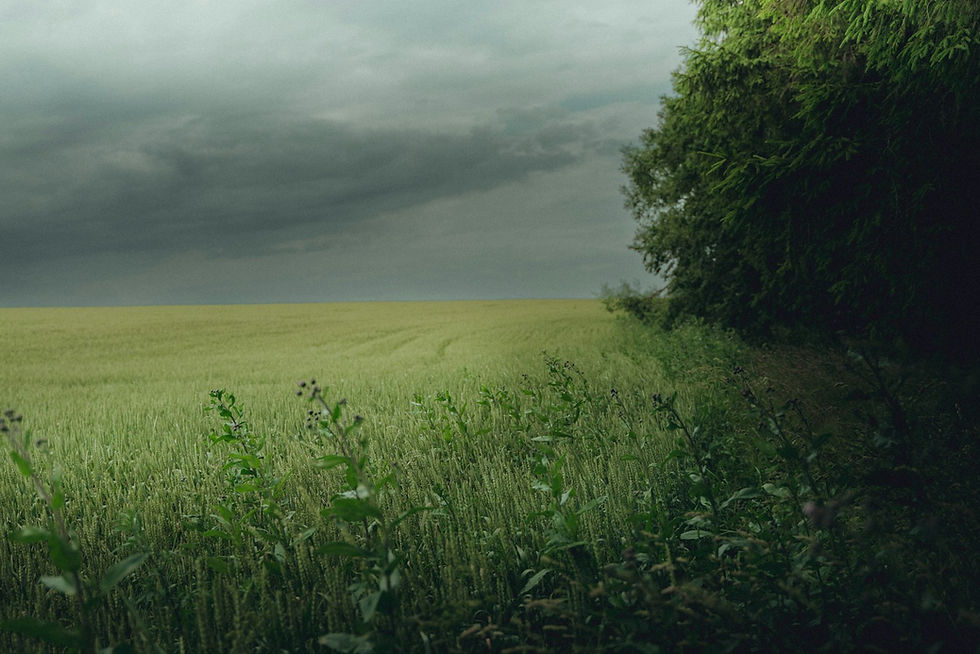
If you have hay fever, now is the time to take thunderstorm asthma seriously.
Victoria has issued a string of thunderstorm asthma warnings over the past few days, and health authorities say this season could bring more high-risk days than usual.
On Saturday 31 October, Victoria's Chief Health Officer, Dr Caroline McElnay, warned of elevated risk across Gippsland and the Northern Country district, the ABC reported.
Then on Monday 2 November, the Department of Health issued a high-risk warning for the North East and North Central districts, according to the Shepparton News.
What Is Thunderstorm Asthma?
Thunderstorm asthma happens when high levels of grass pollen meet a particular kind of storm.
Strong gusts of wind ahead of the storm can make pollen grains burst, releasing tiny particles that are small enough to travel deep into the lungs.
That can trigger severe asthma symptoms very quickly, sometimes in people who have never had asthma before.
After a wetter winter and spring, there is more grass pollen around than usual, and Dr McElnay said that may make high-risk days more likely.
She added that it is "too early for us to say" exactly how the whole season will play out.
Why The 2016 Event Still Matters
This November marks ten years since the world's largest thunderstorm asthma event hit Melbourne.
In November 2016, a storm swept across the city and thousands of people needed urgent medical care in a matter of hours.
Ten people died, and many of those affected had never been diagnosed with asthma.
That is why health authorities are so keen for everyone, not just people with asthma, to understand the risks.
Who Is Most At Risk Of Thunderstorm Asthma?
People with asthma are at risk, particularly if their asthma is not well controlled.
People with hay fever are also at higher risk, and this is the group that is often caught off guard.
If you sneeze your way through spring but have never been told you have asthma, it is worth being extra careful on warning days.
Around one in ten Australians has asthma, according to the ABC.
The Warning Signs To Watch For
The main symptoms are wheezing, breathlessness, a tight feeling in the chest and a cough that won't go away.
If you notice any of these for the first time, don't brush them off.
Children and older relatives can find it hard to describe how they feel, so keep a gentle eye on them during and after storms.
Simple Ways To Protect Your Family
On warning days, carry your asthma reliever with you all day, every day.
Avoid being outside in the wind gusts just before and during a storm.
Head indoors and close your windows and doors when a storm is approaching.
Turn off air conditioners that draw in outside air, such as evaporative units, until the storm has passed.
Reliever puffers are available from pharmacies without a prescription, so it is worth keeping one in the house and the car.
In an emergency, it is fine to use someone else's reliever.
If symptoms don't improve, get worse, or someone is having an asthma attack and has no reliever, call Triple Zero (000) straight away.
How To Stay Informed
Victorians can check daily pollen and thunderstorm asthma forecasts through the VicEmergency website, app or free hotline on 1800 226 226.
Pollen counts are also published by Melbourne Pollen, which is handy for planning outdoor activities.
Grass pollen season usually runs from October to December, so it is worth making a plan now rather than waiting for the next storm.
If you have hay fever or asthma, a quick chat with your GP or pharmacist about an asthma action plan is a sensible step before summer.
This information is general in nature, so always speak to a health professional about your own situation.


