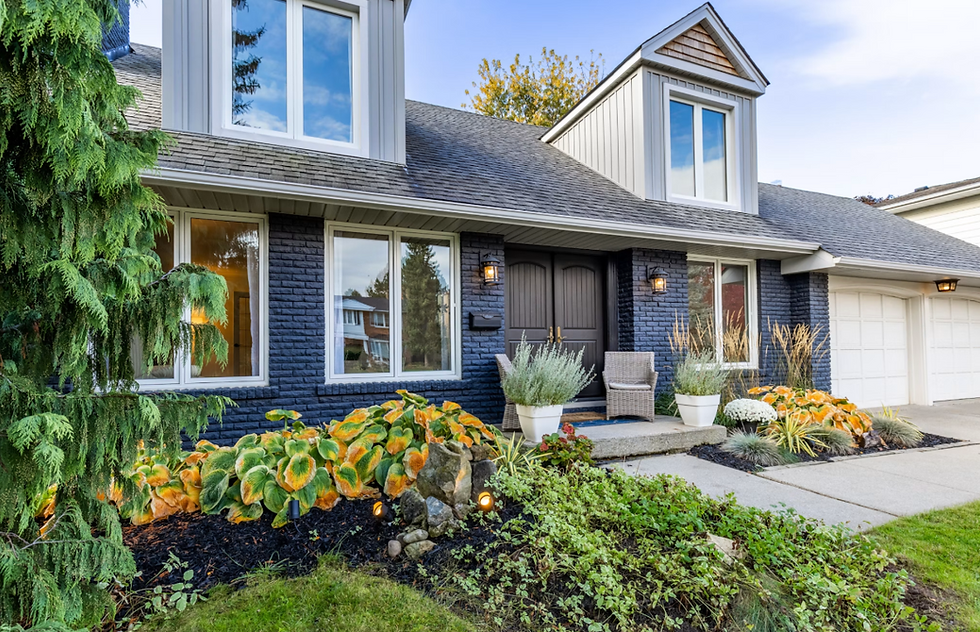
PRESERVING PROPERTY CHARACTER: PRACTICAL TIPS FOR RESTORING OLDER URBAN HOMES

There's a special kind of magic in the walls of an older urban home.
Think about those intricate cornices and ceiling roses, or the solid timber floorboards that have felt a century of footsteps – these places just have a soul that new builds often lack.
But owning a piece of history comes with a unique responsibility, especially when it's time to renovate.
The trick is to update the space for modern living without stripping away the very character that made you fall in love with it in the first place.
A thoughtful restoration respects the past while making the home comfortable and functional for the future. It's all about finding that perfect balance between preservation and progress.
Start with a Plan: Assess What to Keep, Restore or Replace
Before you even pick up a tool or a colour swatch, the most important first step is to really get to know your home.
Walk through every room and make a detailed list of its features.
This isn't just about spotting problems; it's about figuring out what gives your home its unique identity.
Look for original details like decorative archways, picture rails, stained glass windows, and cast-iron fireplaces. These are the treasures you'll want to protect.
Now, grab a pen and create three columns for your list: Keep, Restore, and Replace.
Some items will be obvious. A beautiful, intact mantelpiece is a definite 'keep'. Worn but solid floorboards might go into the 'restore' column.
A dodgy 1980s kitchen extension, on the other hand, is likely a candidate for 'replace'.
This process helps you create a clear hierarchy for your renovation budget and timeline. It also forces you to think critically about which things you should preserve to maintain the home’s soul.
Don't forget to assess the less glamorous parts of the house too, like the plumbing, wiring, and structural integrity.
An expert building inspection can be invaluable here, uncovering hidden issues that could impact your plans.
These foundational updates are crucial for safety and longevity, and planning for them early prevents nasty surprises down the track.
Having a comprehensive plan provides a roadmap for your project and ensures you have a clear set of tips for renovating an old house and an older property with care.
Repair, Don't Replace: The Art of Restoring Original Features
For a character home, the renovator's mantra should be "repair, don't replace" whenever possible.
Modern mass-produced materials often can't replicate the quality and patina of original features.
Bringing these elements back to life is not only more authentic but also a sustainable choice that celebrates the home's history.
For example, old timber windows might seem draughty and difficult, but a skilled carpenter can often repair the frames, replace sash cords, and even install discreet draught-proofing to make them functional again.
Painting over beautiful timber trims and doors was a common trend, but stripping them back can reveal stunning woodgrain that adds incredible warmth and texture to a room.
This philosophy extends from the ground up to the very top of the house.
A few cracked or missing roof tiles don't automatically mean you need a complete and costly re-roofing job.
Many older homes have tile profiles that are no longer in production, which can make finding a perfect match seem impossible.
However, specialist suppliers can often help you source reclaimed or discontinued roof tiles that blend seamlessly with your existing roof.
This approach not only preserves the original aesthetic of your home's exterior but is also a far more economical and environmentally friendly solution than replacing the entire roof.
Similarly, cracked decorative plaster can often be repaired by a specialist plasterer, saving a beautiful ceiling rose or cornice from the skip bin.
Modernising with Sensitivity: Blending New with Old in an Older Urban Home
Preserving character doesn't mean you have to live in a museum.
The most successful restorations are those that cleverly integrate modern conveniences.
The key is to make new additions feel respectful of the original architecture. In kitchens and bathrooms, where modern functionality is non-negotiable, you can achieve this through careful material and design choices.
For instance, you could opt for shaker-style cabinetry, which has a timeless quality that sits comfortably in older homes.
Benchtops made from natural materials like stone or timber can also bridge the gap between old and new.
Colour is another powerful tool for unifying different eras. Instead of stark, modern white, consider a palette of softer, heritage-inspired colours that complement the home's period.
These colours often have more depth and complexity, creating a warm and inviting atmosphere.
When choosing fixtures and fittings, look for designs that give a nod to the past without being slavish reproductions.
A classic gooseneck tap in a modern finish or simple, elegant light fittings can feel both contemporary and appropriate.
The goal is to restore and preserve your home in a way that feels cohesive, so the transition from an original room to a newly renovated one feels natural and effortless.
The Exterior Matters: Curb Appeal and Structural Integrity
A home's character begins before you even step through the front door.
The exterior sets the tone for the entire property, so it deserves just as much attention as the interior.
Restoring the facade can dramatically enhance your home's street appeal and value. Start by assessing the condition of the original materials, whether it's brickwork, weatherboards, or render.
Repointing brickwork or repairing and repainting timber can make a world of difference.
When choosing paint colours, it’s often wise to research authentic colour schemes for your home's specific architectural period. Many paint companies offer heritage colour ranges that take the guesswork out of the process.
Pay close attention to key architectural features like verandahs, fretwork, and window casings.
These decorative elements are often the first things to suffer from neglect but are vital to the home's charm.
Repairing rotten timber on a front verandah or replacing missing decorative fretwork can bring a tired facade back to life.
This process is about honouring elements of character that make your house stand out.
The garden and fencing also play a role. A simple, classic garden design and a fence style that complements the architecture will frame your home beautifully, completing the picture of a thoughtfully restored property.
Navigating Building Codes and Heritage Overlays
When you're working on an older home, especially one in a historically significant area, you may need to consider more than just your own design preferences. Many local councils have heritage overlays or specific planning controls that govern what changes you can make to a property.
These regulations are in place to protect the architectural character of a neighbourhood.
Before you finalise any plans, it's essential to check with your local council to see if any such controls apply to your home.
These overlays can affect everything from the colour you're allowed to paint your exterior to the types of window frames you can install.
While it might seem restrictive, these rules are designed to preserve the very qualities that make these areas special.
Engaging a draftsperson or architect who has experience with heritage properties can be a huge advantage.
They can help you navigate the approval process and design a renovation that meets both your needs and the council's requirements.
Working within these guidelines ensures your renovation not only enhances your own home but also contributes positively to the streetscape for years to come.
Restoring an older home is a labour of love, but the reward is a living space that is rich with history, personality, and warmth.
Taking a thoughtful and respectful approach helps you create a home that honours its past while being perfectly suited for your modern life.