
HEADING TO THE SNOW? HOW TO PREPARE YOUR CAR FOR A WINTER ROAD TRIP
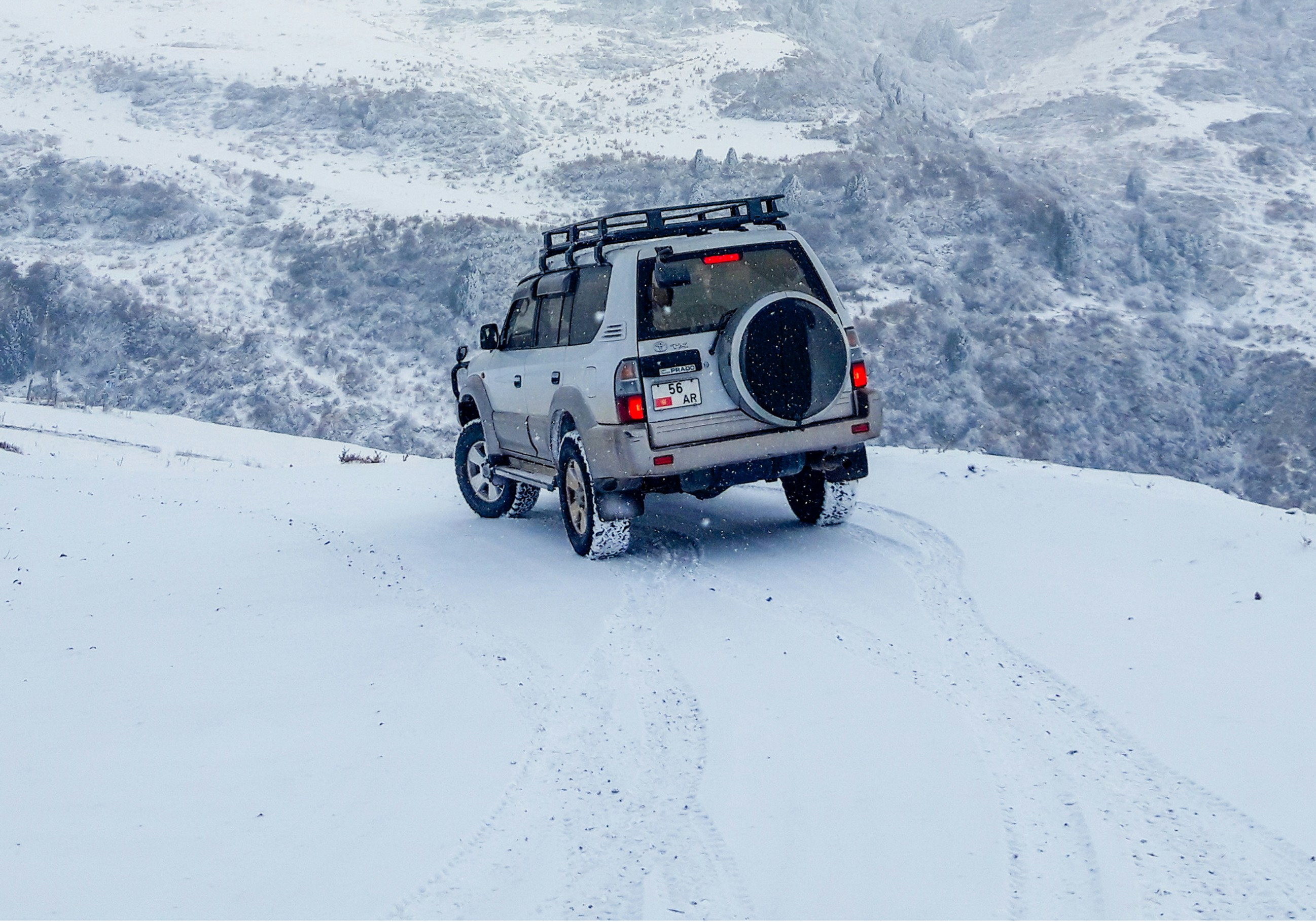
For many Australians, a trip to the snow means one thing before the skis come out: a long road trip. With almost two million people heading to the snow in NSW, Victoria and Tasmania each year, alpine getaways are a major part of the Australian winter.
But driving into the mountains is very different from the average weekend road trip. Snow, ice, black ice and rapidly changing weather can turn an otherwise straightforward drive into a much more challenging one, particularly for drivers who rarely encounter winter conditions.
And after paying for accommodation, lift passes and equipment hire, the last thing anyone needs is a car problem halfway up the mountain.
Snow road trips require a different driving style
If you're not used to driving in snow or ice, the biggest adjustment may be behind the wheel.
Harry Mildner, Franchisee at JAX Tyres & Auto Tuggeranong, says drivers should slow down, leave more distance between vehicles and avoid sudden movements.
That means no last-minute heavy braking or sharp steering if you can avoid it. Smooth and deliberate is the name of the game.
Black ice is another hazard, particularly in shaded areas and during the early morning when temperatures are at their lowest. A road that looks perfectly clear can still be slippery.
Check your tyres before heading to the snow
Tyres are arguably the most important part of preparing your vehicle for an alpine road trip.
Mildner recommends checking that tyres have plenty of tread, with a minimum tread depth of 1.5mm, and getting professional advice if you're unsure about their condition.
Snow chains are also mandatory in many alpine areas, although the rules vary between states. In Victoria and Tasmania, they are required for all vehicles in designated areas, whereas NSW applies requirements to 2WD vehicles.
It's worth checking the specific requirements for your destination before leaving home.
And don't wait until you're standing in freezing conditions on the side of the road to discover you have no idea how to fit the chains. Practising at home, preferably somewhere warm and dry, could save a lot of frustration later.
For regular alpine travellers, dedicated snow tyres may also be worth considering for their additional traction.
Give your car a winter health check
Cold weather can put additional strain on a vehicle, so a mechanical inspection before leaving is a sensible precaution.
The battery is particularly important. A battery that is already struggling may have even more difficulty starting the car in freezing conditions.
It's also worth having the brakes, lights, cooling system, engine, windscreen wipers, demister and electrical system checked.
If you're heading into particularly cold conditions, ask your mechanic about the appropriate coolant or antifreeze for the vehicle.
Diesel drivers also need to think about fuel. Alpine or winter diesel may be required in colder mountainous areas, so check what's available near your destination and plan accordingly.
Hiring a car? Check the fine print
If you're planning to hire a vehicle for your snow trip, don't assume you can simply drive it into the mountains.
Many Australian rental companies have restrictions on taking vehicles into snow-covered areas, potentially due to insurance limitations.
Before booking, check the rental company's terms and conditions and specifically ask whether the vehicle is permitted in alpine areas and whether additional snow or off-road insurance is required.
Getting clarification before you leave is considerably easier than discovering you've breached the rental agreement halfway through your holiday.

Pack an emergency kit for the snow
An accident further along the road, severe weather or an unexpected mechanical problem can leave drivers waiting for help, sometimes for several hours.
That's why an emergency kit is worth keeping in the car. Consider packing warm clothing and blankets, a first-aid kit, non-perishable food, a torch, a snow shovel and scraper, jumper cables, and something such as sand or salt to help provide traction if the vehicle gets stuck.
It may seem excessive when you're packing the car at home, and the sun is shining.
It won't seem excessive if you're sitting on a mountain road in freezing conditions waiting for assistance.
The snow is supposed to be the memorable part of the trip. A roadside breakdown in the middle of winter shouldn't be.


